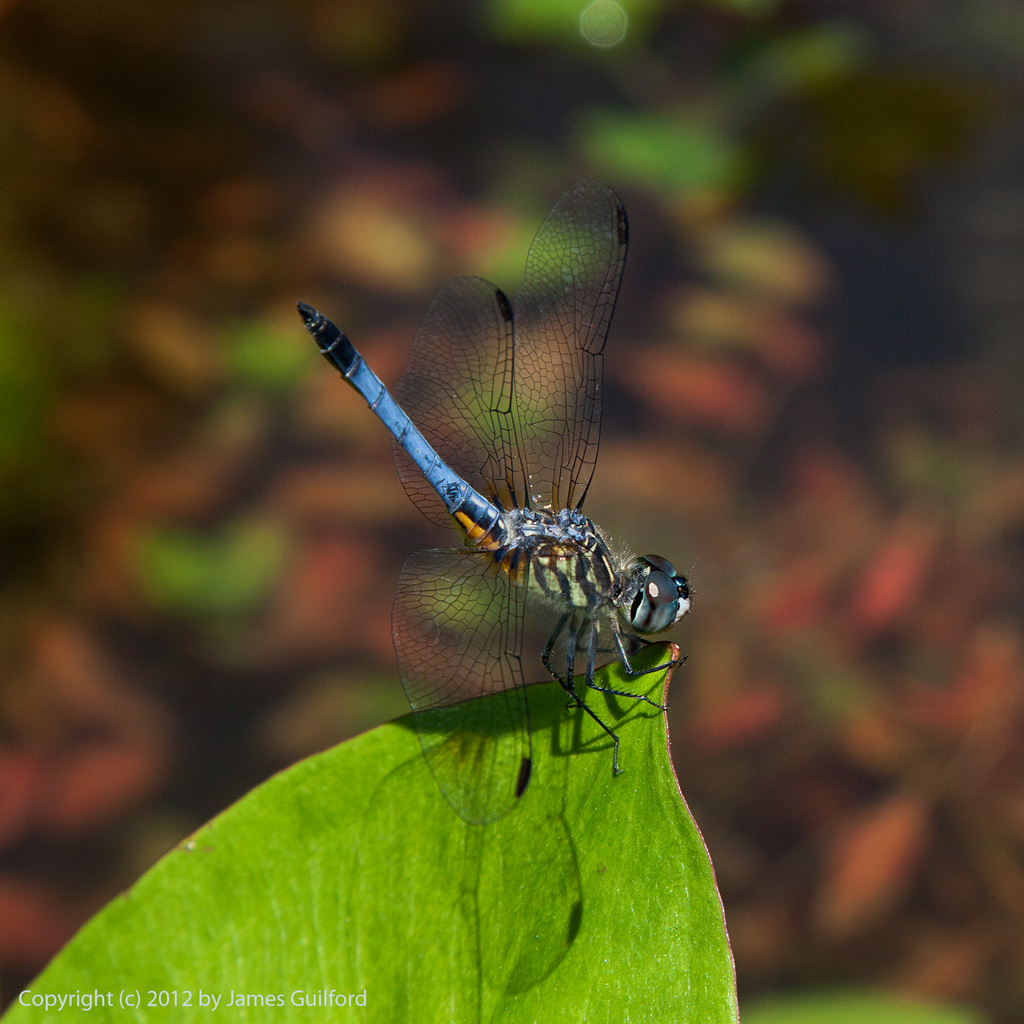
During our visit to Schoepfle Garden I was able to continue my pursuit of dragonfly photographs. One beauty was (I believe) a Little Blue Dragonlet (Erythrodiplax minuscula) who alighted on a leaf not far from me on that very warm Sunday. I shot several photos in a series, hoping to draw closer and refine my focus. As I watched, he slowly raised his abdomen (tail) higher into the air, pointing towards the sky. I’d seen that behavior before though I don’t think I’ve ever photographed that pose. I thought the insect was advertising for a mate. Apparently it is understood that dragonflies take their “obelisking” posture in order to reduce their exposure to the sun in very hot weather. So it seems that, while a dragonfly may look sexy, it takes hot weather and not hot mates to inspire a Little Blue Dragonlet’s obelisking.
nature
All posts tagged nature
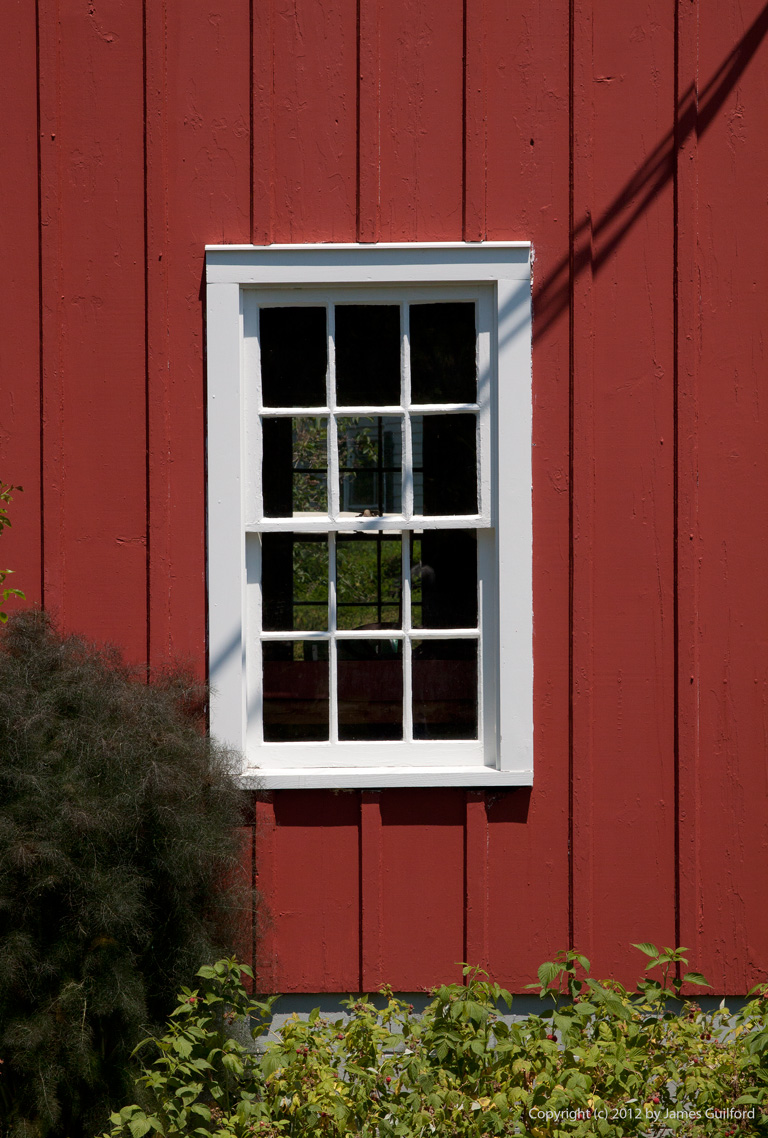
A leisurely road trip to Schoepfle Garden Metro Park in Birmingham, Ohio was rewarding both in its journey and its destination. We enjoyed the long, relatively slow drive on state and county roads through green countryside, windows down to admit the warm late-spring air. Schoepfle Garden was its usual beautiful self — a mix of woodlands, naturalized and formal gardens — and presented us both with many gorgeous subjects for photography. It’s late now, so I’ll post only one image, through I am sure you will soon see several more from this little trip. Until then, see “Shadow Lightning” as I saw it!
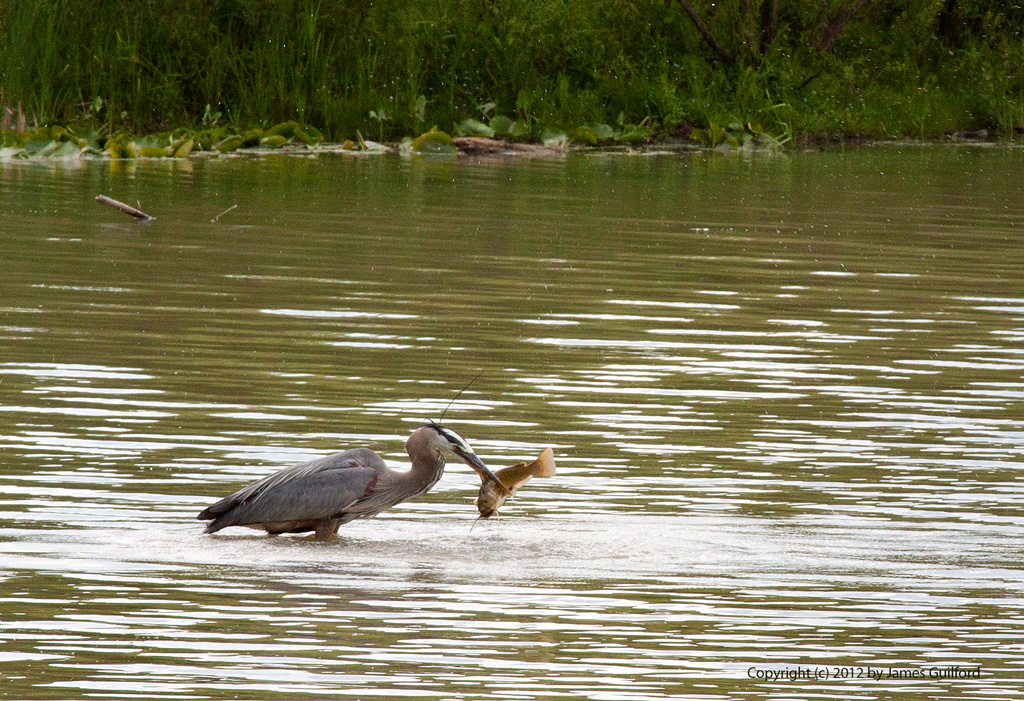
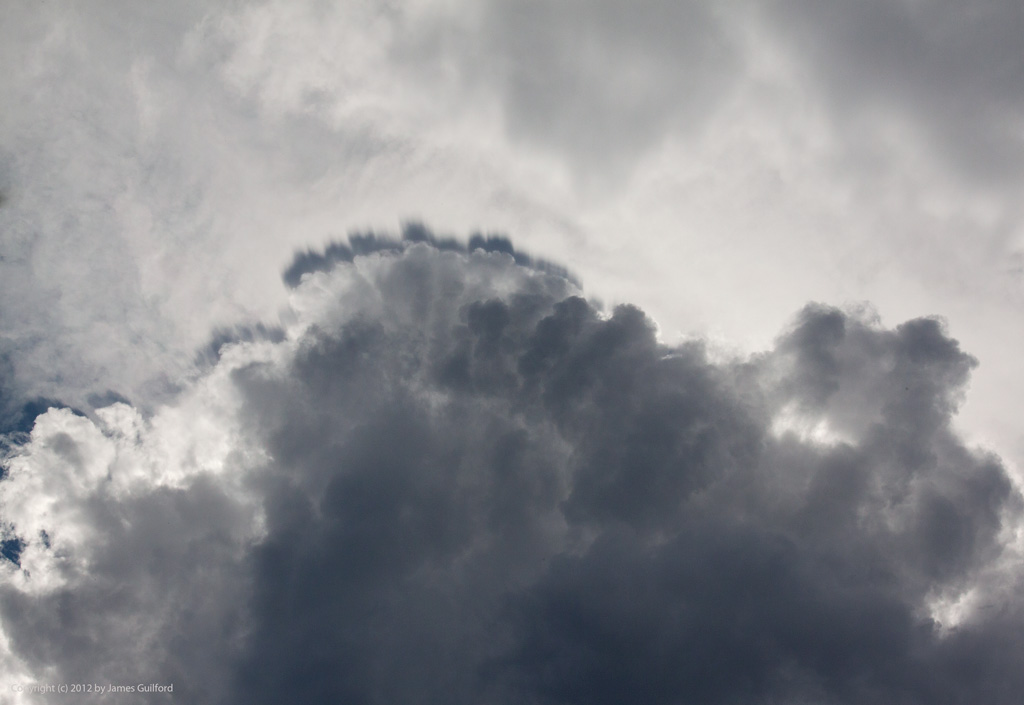
Drama is all around us. When we think of drama, however, we often think of the travails of our fellow humans. Nature, perhaps, presents the fullest range of the dramatic ranging from the life and death struggles of our fellow creatures to the world-changing activities of weather. A brief stop at Hinckley Lake lent plenty of examples for me as I walked the paths this afternoon. Showing She Who Must Be Obeyed one of my favorite spots to watch Great Blue Herons, we spied one fishing. After only a couple of minutes’ observation, the bird smartly jabbed the water, pulled up a fish, and flew off to a nearby sandbar to deal with its prey. Nearing the end of our walk, the day’s very changeable sky put on a show of light and shadow in the clouds and issued a low rumble of thunder. It was a dramatic day at the lake but most people were having picnics.
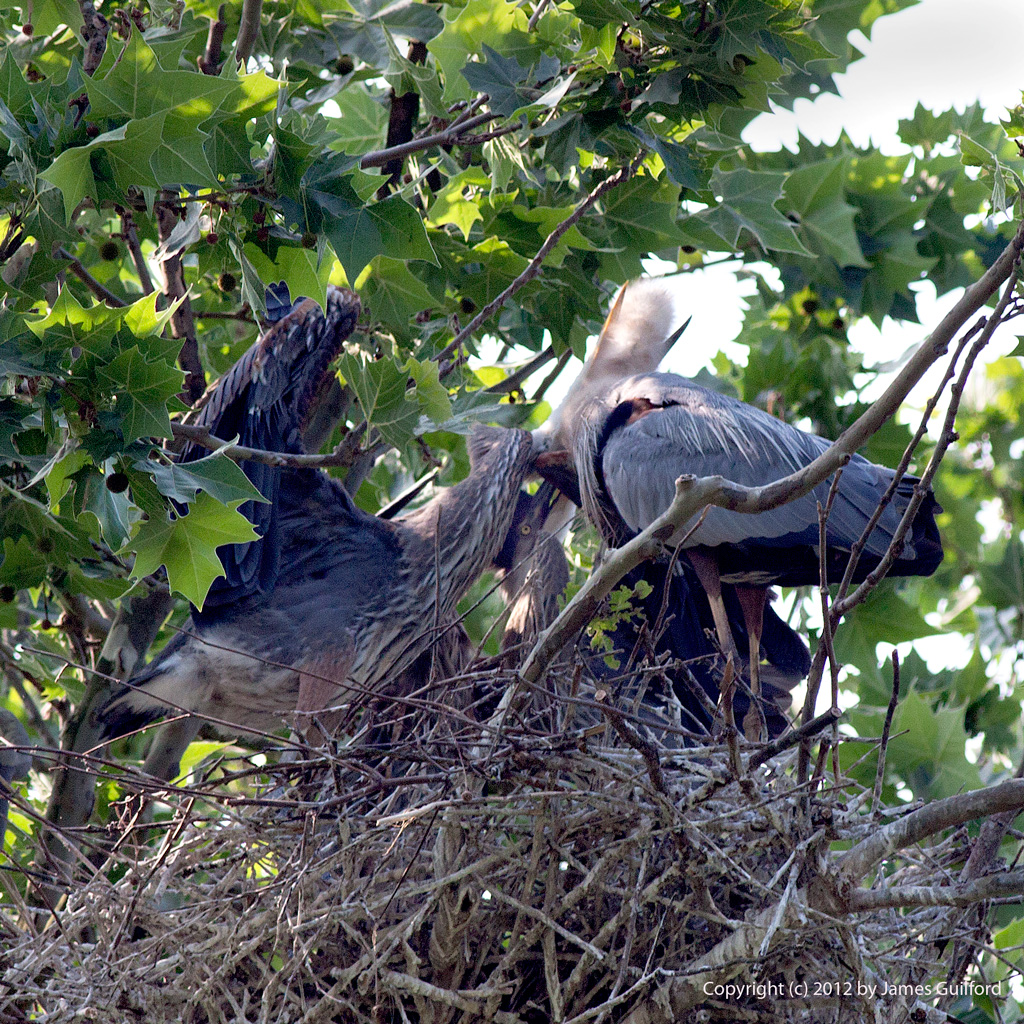
Today was a day off due to the Memorial Day holiday observance. Our little town had a solemn ceremony at a local cemetery that is home to a war memorial. We spent the morning revisiting the Bath Road heron rookery and neighboring Ira Road/Beaver Marsh nature areas in and near the Cuyahoga Valley National Park (CVNP). The rookery continued to be noisy with the chatter of the many birds occupying nests high in the trees. Once in a while a bird would leave seeking food or arrive bearing it for the burgeoning young. It’s hard to spot the birds amongst the trees but those nests that are visible harbor several large birds these days. I did manage to capture one bird feeding another — a tangle of necks and feathers — though that was even harder to see! Human families, too, dropped by to see how their avian counterparts were doing. I think in many cases the parents were more interested than their children in what the birds were up to but I was heartened to see so many people out appreciating the show.

A young Great Blue Heron quietly wades in the shallows with biting flies pestering it all the while.
The Towpath Trail, key to much of the popularity of the park, was seemingly busy as a freeway with families out riding their bicycles. Though a cyclist myself, I nearly forgot where I was and almost stepped into the path of an oncoming cyclist! Among the many visitors to these particular areas, however, were many birdwatchers. A small group of them, along with us, was surprised when a young Great Blue Heron alighted on a tree branch only about 20 feet overhead. After a quick preening, the bird glided down and landed in the shallow waters of the Ohio & Erie Canal, just south of the Ira Road Trailhead. She Who Must Be Obeyed and I quickly and quietly hiked down the trail to see what we might see. We were treated to close-up views of an apparent juvenile bird as it slowly waded in the shadows, seeking a meal. Though we were close, the heron seemed either not to care or was unaware of our presence as we took turns shooting photos from the bank of the canal. Plants and twigs blocked much of our view so when we felt we got as good photos as we could, we left the heron to its work and headed north on the trail.
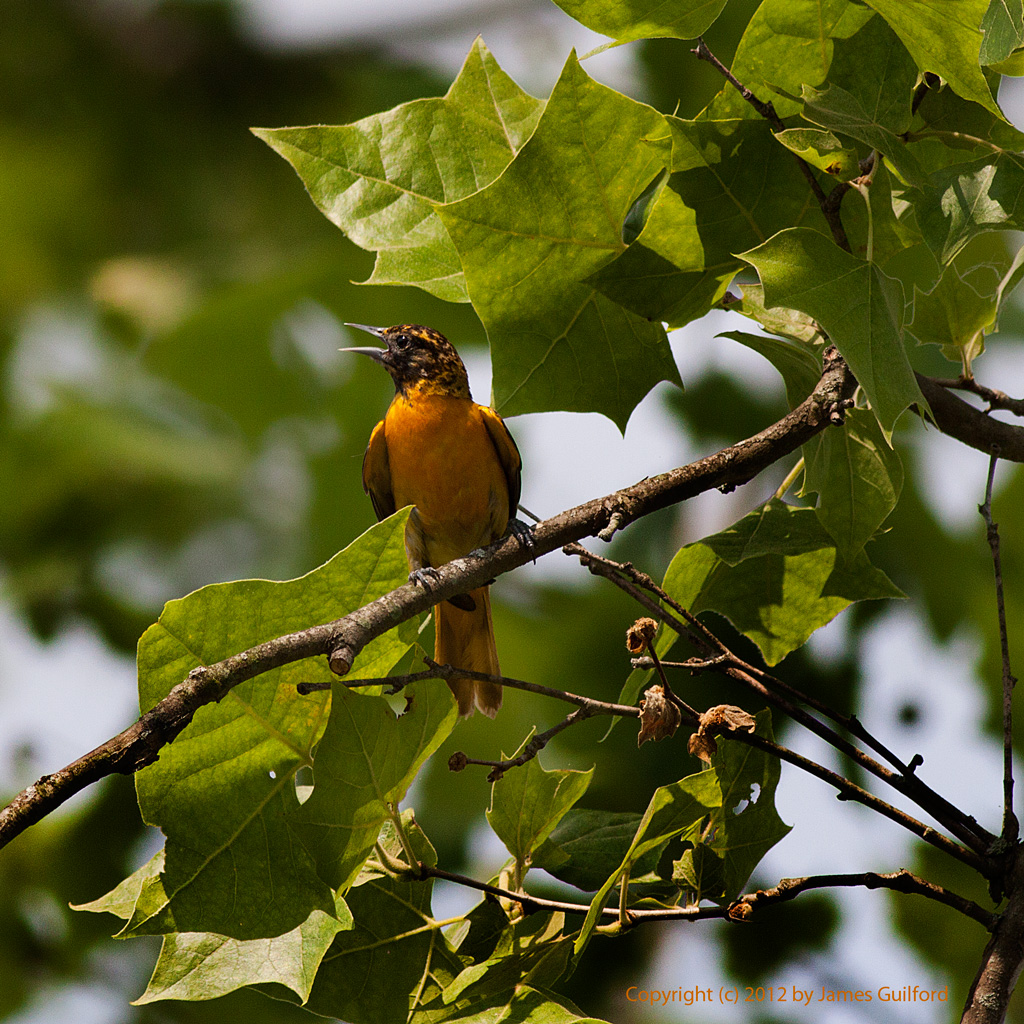
We enjoyed the short walk along the canal and up to Beaver Marsh where nature-lovers were watching Tree Swallows, Wood Ducks (and ducklings), turtles, and fish. Nature watchers happily pointed out their discoveries to each other helping us, by the way, to see a Baltimore Oriole and her nest. The day was hot and humid so we sought shade and lunch around midday. It was, however, a fine day out once again and way too soon to be thinking about work!
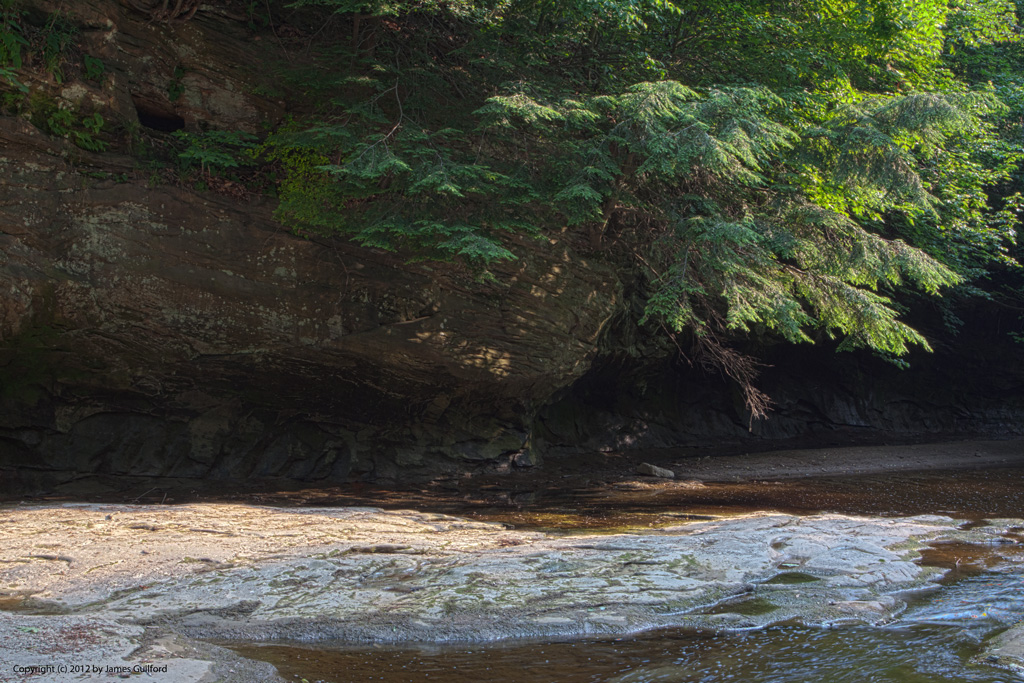
Since the weather was predicted to be “hot, hazy, and humid,” we decided to get out and take a photo-hike in the cooler, early-morning hours. One of my favorite beautiful places in the area is the rocky gorge of Chippewa Creek as it flows through the city of Brecksville, Ohio. She Who Must Be Obeyed had never visited the riverbed so we had a first destination. We enjoyed a bagel breakfast at the Bruegger’s Bagels place near the entrance to the metropark, and hiked down into the broad space. The last six feet or so are a bit of a scramble from an earthen riverbank to the washed stone floor, easily handled however. The steep walls of the passage bear the scars of millennia of erosion, weathering, and plant action; they are dark, often damp, and in places support abundant ferns and mosses.
Trees, atop the rock walls, form a canopy over much of the area as their upper branches join overhead. With little recent rain, the creek was low and the riverbed mostly dry — perfect for exploration. At least that’s what I thought. She found a slick spot on a smooth rock and tumbled forward, skinning Her knee, nearly damaging her new camera, and threatening to spoil the experience. She recovered, however, and seemed to enjoy the rest of our visit. We found various objects and scenes to photograph — it’s a dark place which can make picture-taking difficult — but I’d brought my tripod this day! After a while, we climbed back out of the valley and enjoyed a good, long, challenging hike on designated Cleveland Metroparks trails. The peace of the place remains with me.
Vacation Day #5? Not really. I spent Friday doing things other than photography. The photo above was from my visit to the Cuyahoga Valley National Park’s Ira Road Trailhead/Beaver Marsh area. I watched as a pair of Tree Swallows (Tachycineta bicolor) made frequent commuter flights between nearby ground and areas of the surrounding wetland. I couldn’t be certain whether they were feeding young or working on their nest within the trunk of a dead tree. This was one occasion, however, when I wished I’d carried a tripod — the birds are fast and I’d have liked to catch them arriving at the nest hole or together but the narrow view of the telephoto allowed little lead time. Still, I’m very happy with this picture: the female diving from the nest hole beginning yet another flight.
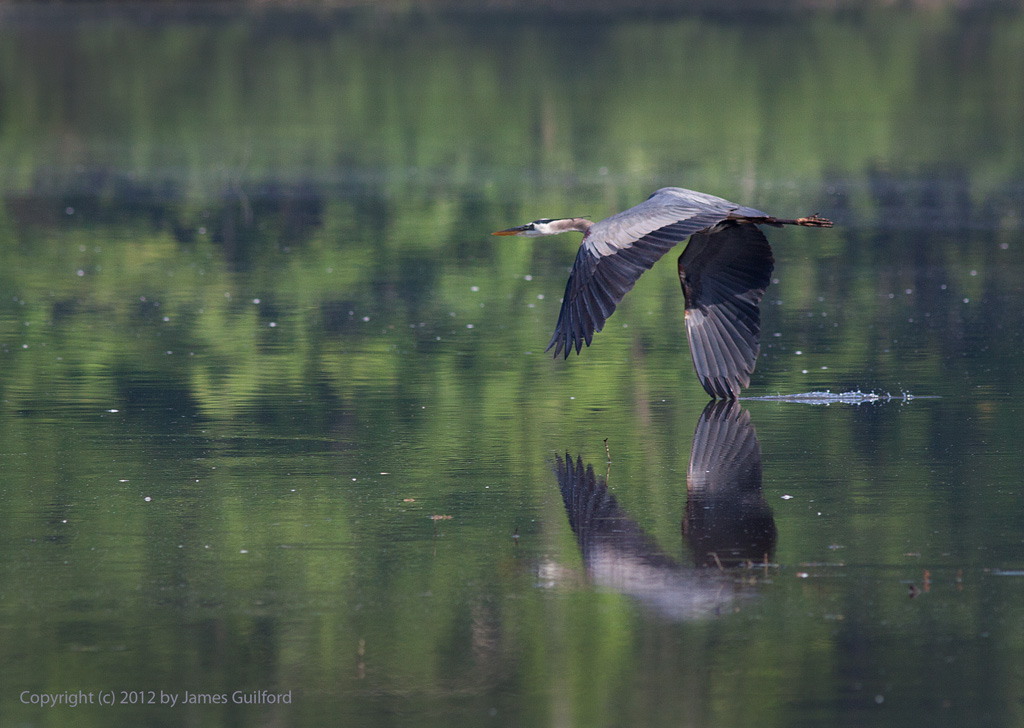
Sometimes you think you’ve missed the “perfect shot” when, really, you’ve already captured it. Today, vacation day #3, I was visiting Hinckley Lake. I’d not been to the lake in some time and thought I should check in. I came across a Great Blue Heron fishing in the shallows. Just as I got into position to shoot some stills of the big bird, it leaped into the air! I began firing the shutter. I don’t think the bird took flight because of me… I believe it was pursuing another heron fishing around the shoreline from where I was standing. Soon the two birds were charging out over the lake, one after the other and I got what I’d hoped would be the best pictures of the day. I was mistaken. As I was photographing the first bird early in its pursuit, I recorded a couple of images that later surprised me. In my favorite, the heron is banking whilst flying so low to the lake surface a wingtip dragged briefly in the water kicking up a wake! In the second shot (technically made earlier) the Great Blue is stretched out in flight while below, shore birds work for a living on a sandbar. All-in-all a great morning at the lake.
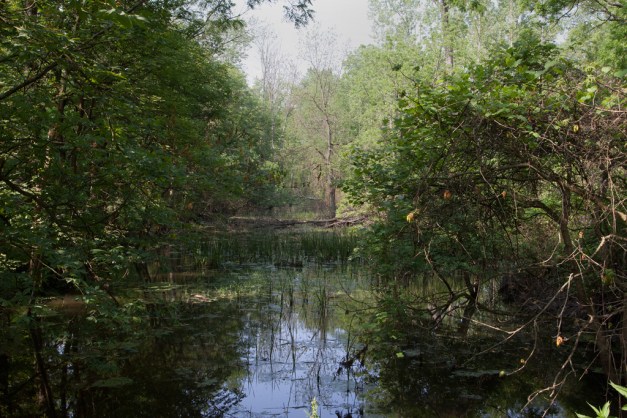
The Cuyahoga Valley National Park was developed around the Ohio & Erie Canal which shadows the Cuyahoga River within its great valley. There remain relics of the great canal project of the first half of the 1800s. The one relic still in daily use is the towpath — where mules provided the “horsepower” tugging canal boats loaded with cargo and passengers north and south between the Ohio River and Lake Erie. Today the towpath is a popular trail used by runners, hikers, and cyclists for recreation. The canal, for the most part, has become a series of longitudinal ponds or slow-moving creeks dug by men but claimed now by nature.
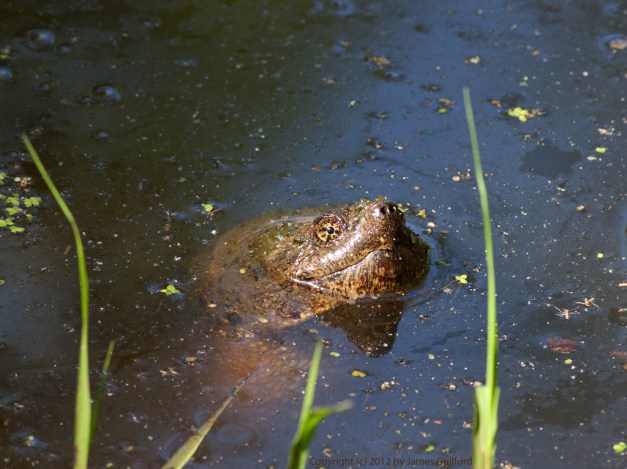
When I first arrived at the Ira Road Trailhead and walked the short path from parking lot to towpath, I looked to the side and at the still water in the canal. Near the bank was something… a submerged stick? a frog’s head? a turtle’s head? No. Oh, but yes! That thick stump was the head of a snapping turtle, doubtless waiting for some careless animal to stray within reach! I shot a couple of photos before the monster >>blup<< pulled its head beneath the surface and dove for the bottom.
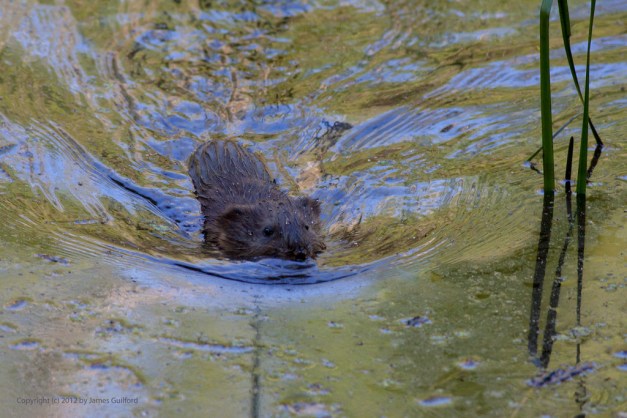
A little farther on I heard a rustling in the reeds, looked and spotted a young (by size) muskrat energetically swimming around in the canal finding and nibbling on, well, something or other. The rodent seemed unafraid of my presence though I don’t think it had learned to look up much. It swam this way and that, stopping for a nibble, then out and around again, and, like the turtle, <<blup<< underwater.
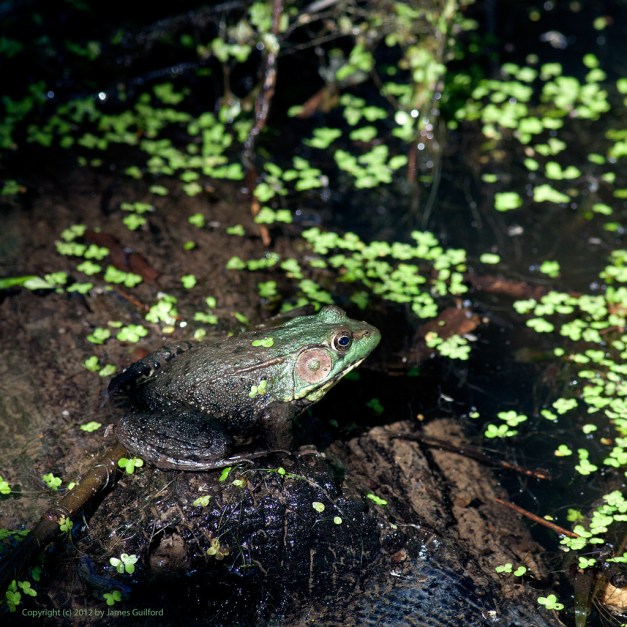
Of course, no naturalized pond would be complete without frogs and turtles and there were plenty to be seen and heard… one could hear the frogs, anyway.
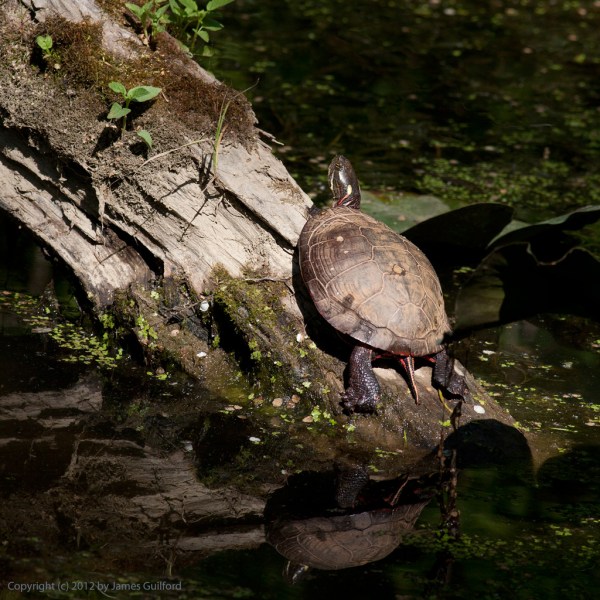
North from the trailhead is the Beaver Marsh area. The canalway apparently either skirted or opened into that wet area. The expanse is now densely packed with aquatic plants and tall reeds and home to all manner of life. The reeds teem with Redwinged Blackbirds, Great Blue Herons (if they brave attacks from the Redwings) come there to fish, and swallows fill the air apparently scooping multitudes of insects to feed themselves and their young families.
Long ago “canal life” probably best referred to the lives and livelihoods affected by the big canal system project. That transportation system carried freight traffic from 1827 to 1861 when the railroads made it obsolete. Now, more than 150 years later, canal life means something more like life supported by the canal — the plants and animals that depend upon that construction for their lives. I can’t think of a better end for such a thing.
This, the morning of my first day of my vacation week was spent enjoying nature in the Cuyahoga Valley National Park. Doing what? Following the progress of the Great Blue Heron families at their rookery, of course! I arrived a little after 9:00 AM and it seemed the birds were only beginning to stir. There was a constant background noise –chattering amongst the birds– but not much activity in the air. As time passed birds began to take flight, seeking food for their burgeoning babies, and I watched with undiminished awe as they flew overhead.
The young birds, when they can be seen, appear to have adult feathers and markings and are hard to tell from their parents in the nests. It’s been close to a month since I was last at the rookery (blame weather and work) and at that time I’d seen no chicks at all. Today there were birds everywhere. Adults were making regular food runs to nearby wetlands, ponds, and streams. The parents could also be seen, on occasion, carrying nesting materials, most likely for making repairs.
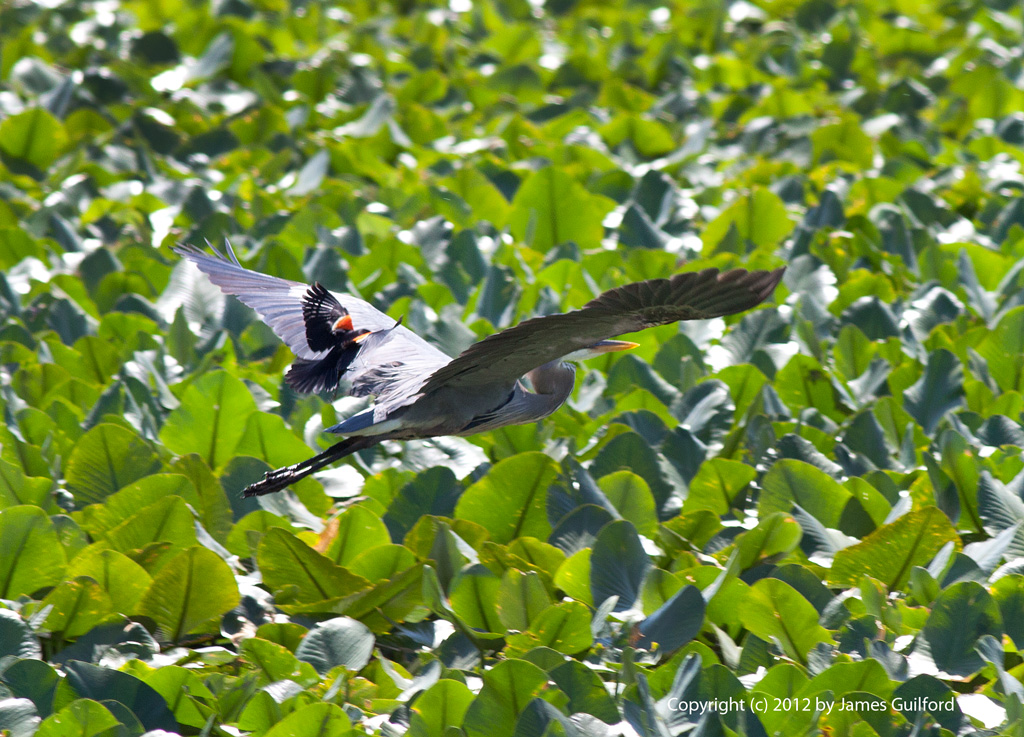
At the nearby “Beaver Marsh” area of the national park area, I watched for herons fishing. I’d seen one earlier and had hiked to a spot I thought might provide a better view. Just as I spotted the bird, it took off but possibly not because of me. In hot pursuit was a relatively tiny Redwinged Blackbird! The redwings inhabit the marsh in great numbers and are constantly squabbling over territory there. It seems, however, that NO interloper is to be tolerated: the tiny black bird chased the big adult heron, even physically strafing it before turning back towards home.
Sunday morning we set off to visit the Old Woman Creek State Nature Preserve, just east of Huron, Ohio. This beautiful place, according to the Ohio Department of Natural Resources Web site,” is protected as a State Nature Preserve and National Estuarine Research Reserve because it is one of Ohio’s best remaining examples of a natural estuary.” The visitor center was recently remodeled and offers fun and interesting educational exhibits in a clean and comfortable, “green” indoor environment. What’s outdoors is what really counts, however, so we spent most of our time under open sky. Marked hiking trails conduct walkers (no dogs allowed, by the way) through quiet woodland settings and to views of the open wetlands of the estuary.
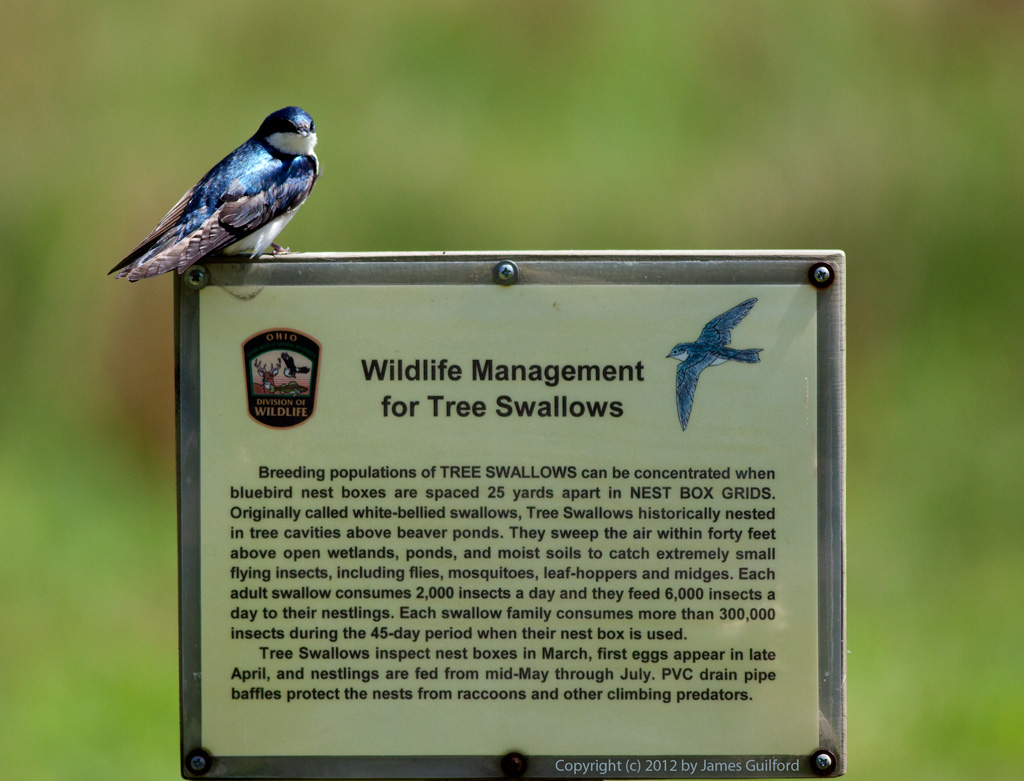
Attracting much attention from visitors was activity in an open prairie field across from the visitor center, site of many nesting boxes for Tree Swallows (Tachycineta bicolor). The boxes and the skies above them were busy with the aerial maneuverings and activities of resident swallows. The birds were living their lives there before us: mating (no “bird porn” here), catching insects, setting up housekeeping, all at incredible speed. Bird watchers of every ilk stopped by to enjoy the show and take in the brilliant iridescent blue plumage of the small birds.
The birds, the water, the animals of the forest were all wonderful to see. It doesn’t hurt, however, to look up towards trees, sky, and sun… you never know what beauty may await.