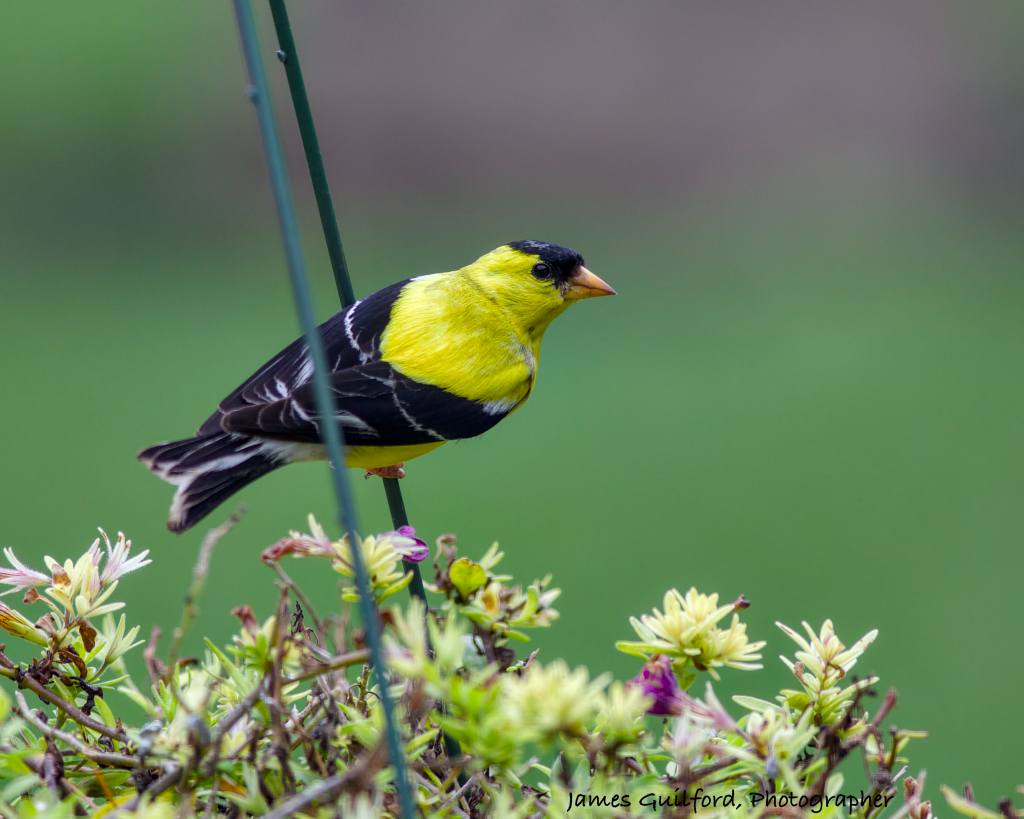
Wearing his full seasonal colors, this American Goldfinch waited his turn at the feeder today, clinging to supports for a hanging plant. Goldfinches raise their broods later than most songbirds, mating and nesting in late summer when their favored food, thistle, matures in nature.
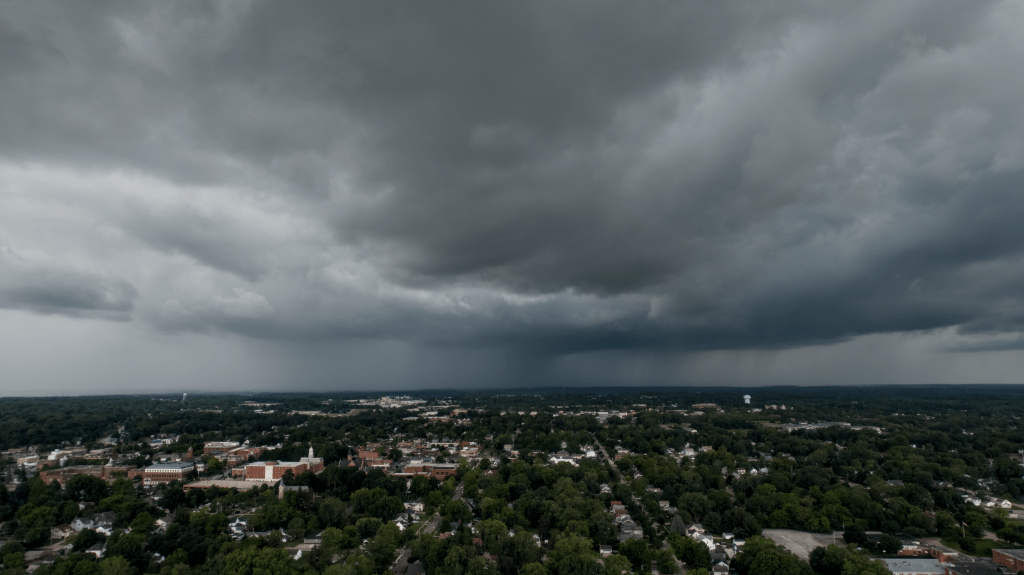
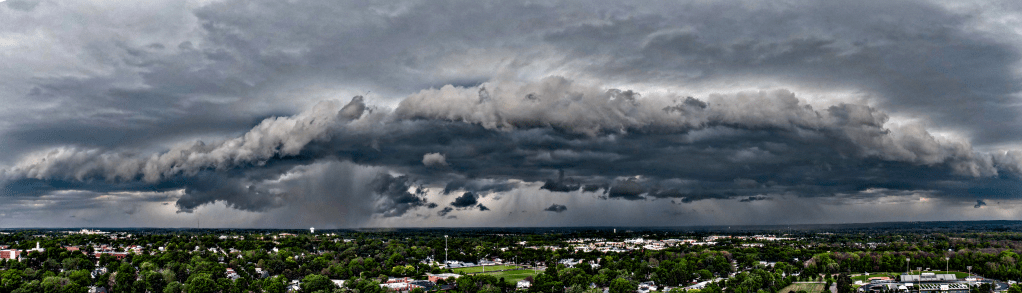
Approaching Storm. A storm blew in this early afternoon, arriving with strong, gusty winds, intense rain, and rumbles of thunder; a respite from the hot and humid stillness. We sat quietly watching, over lunch, the turmoil as rain was driven against picture windows. It wasn’t the most photogenic of weather events nor, thankfully, the most violent. It was a summer thunderstorm, on a Sunday, in a small Ohio town. August 16, 2026.
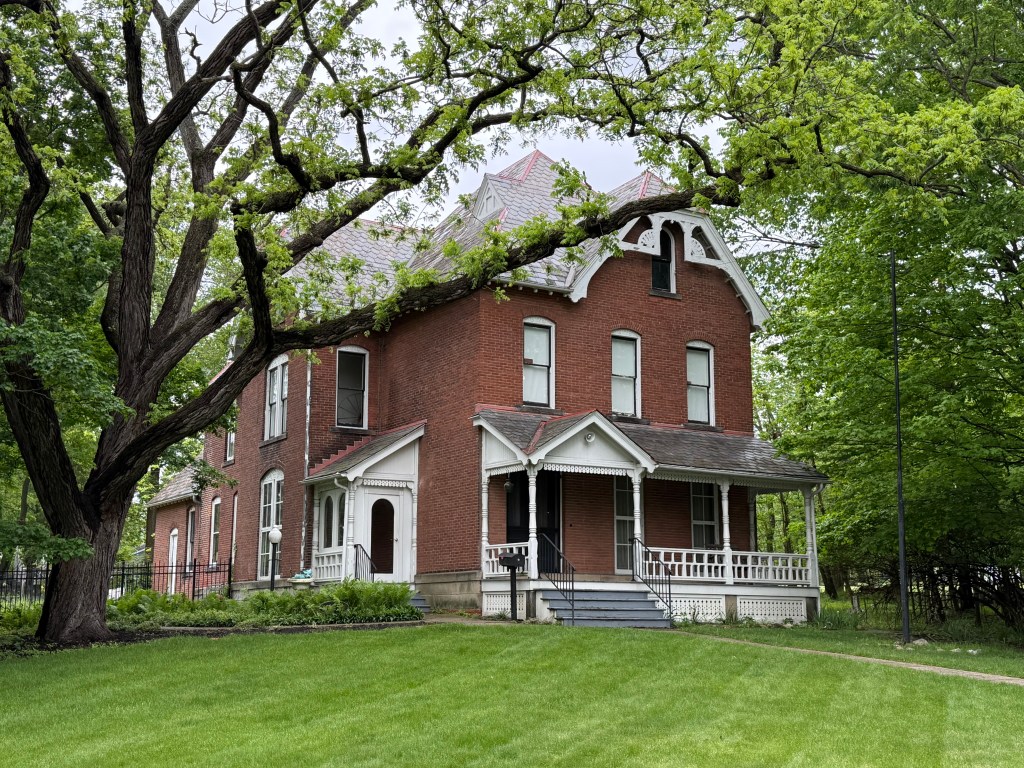
I’m trying to establish the habit of taking an exercise-oriented walk several times per week. It’s so easy to say it’s too cold, too wet, too hot, but I really need to move more to maintain cardio health. Something that makes outdoor walks more interesting than indoor track, or treadmill, is the sights to be seen along the way. I’m privileged to live in a small city that has miles of good sidewalks, neighborhoods with trees, and beautiful old houses like this one (above) passed on my 2-mile excursion!
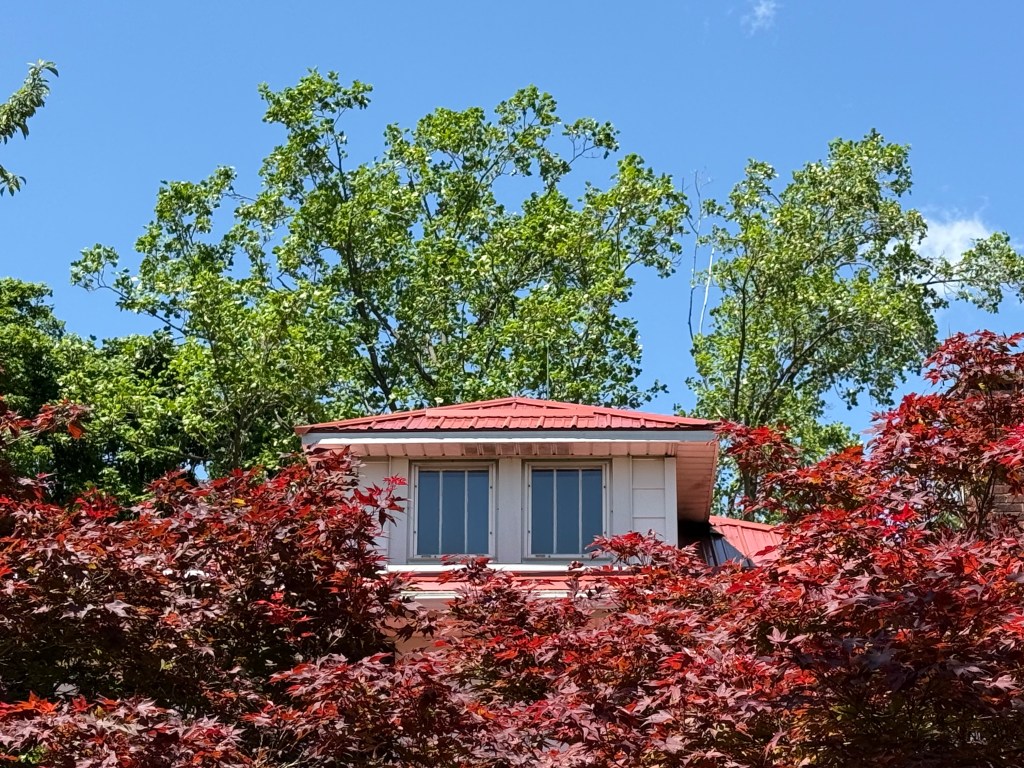
Catching up, the photo above I made on a similar walk two days ago. When the sun was shining, and I wasn’t getting damp from drizzle, you know, like I was today!
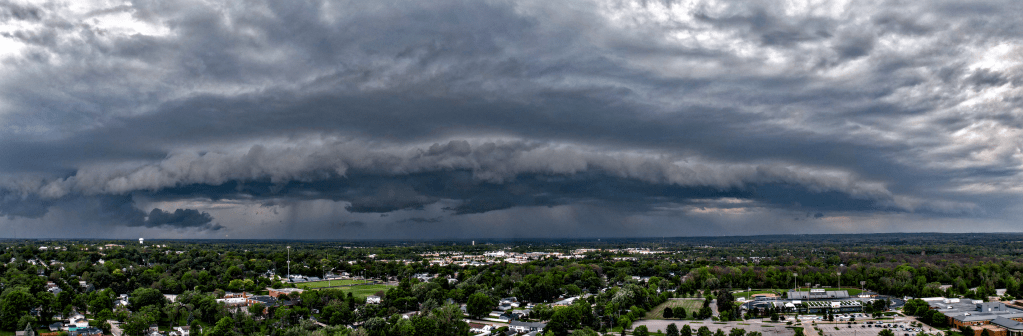
The nasty looking underside of a shelf cloud overrunning the city of Medina, Ohio the evening of May 19, 2026. Behind it were spotty torrential rains, and a brief period of gusty winds, the remnants of an expansive squall line that developed just west of Ohio in the afternoon heat. Photo by James Guilford.
An approaching squall line, the evening of May 19, looked promising so as the storm approached, I dusted off my drone to get a peek. After some panic due to low battery power levels, and an outdated USB cable, I stepped outside and launched just in time to see the storm’s arrival. I haven’t seen a shelf cloud in some time, so it was great to witness this one. It was also quite some time since I’d flown my drone and that was fun! I must get out more often.
The shelf cloud of May 19, 2026 as it neared the city of Medina. This view, shot earlier than the one above, displays more of the grand structure that makes shelf clouds an attractive subject for me. Photo by James Guilford.
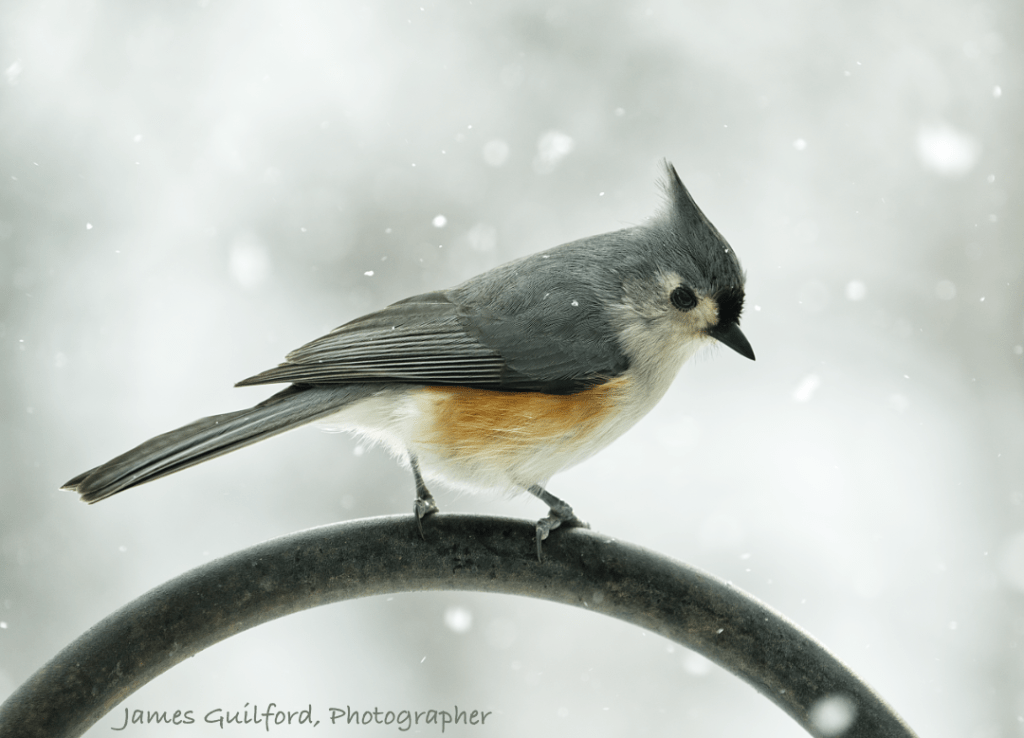
A long period of cold weather and a heavy snow or two have produced persistently covered ground, making winter foraging more challenging for resident birds. Our feeders have been busy. Here are a few photos of some of this year’s guests, representing only a small sample of species dining with us. We have also hosted: House Finches, Downy Woodpeckers, Hairy Woodpeckers, Crows, Dark Eyed Juncos (Snowbirds), Northern Cardinals, Bluejays, Nuthatches, Sparrows, Caroline Wrens. As I said, our feeders have been busy.
Tufted TitmouseA male Eastern Bluebird, puffed up against the cold, along with four others, perches on the edge of a platform feeding station.European Starlings fill the platform feeder to capacity as they devour the seed within.Not all visitors to the bird feeders were birds.
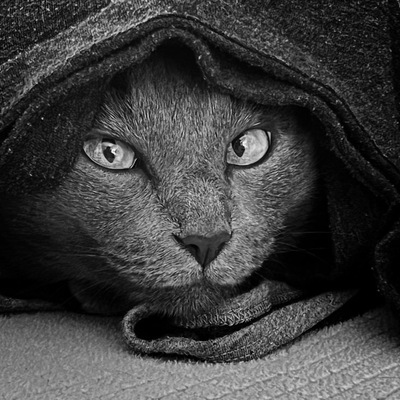
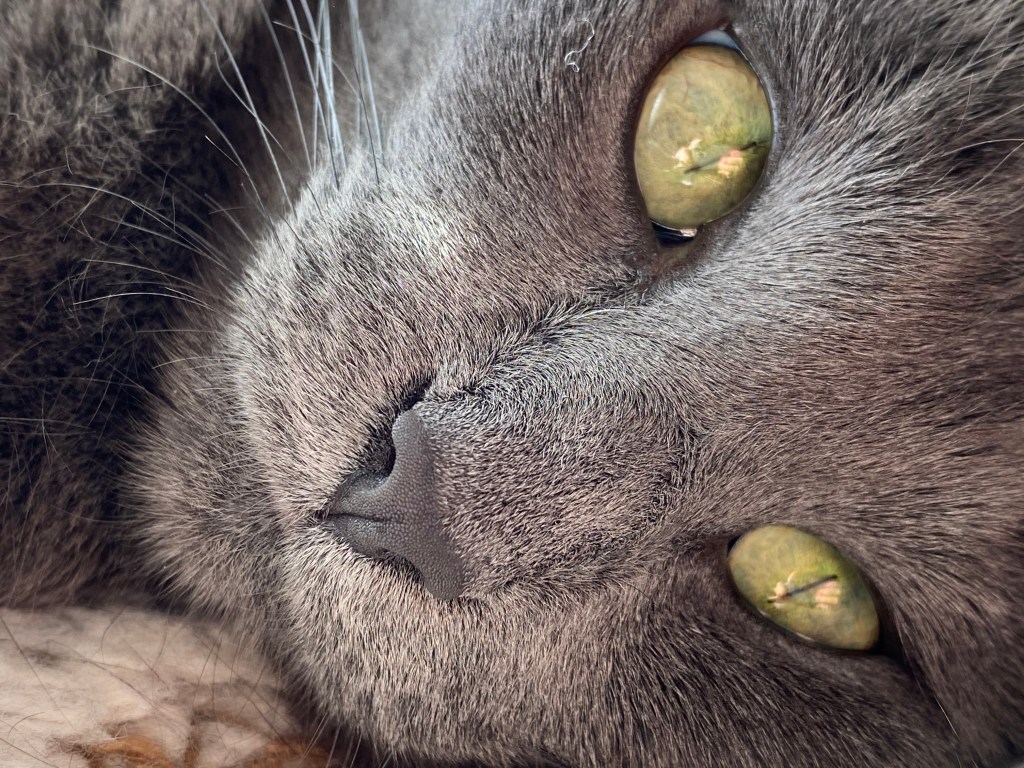
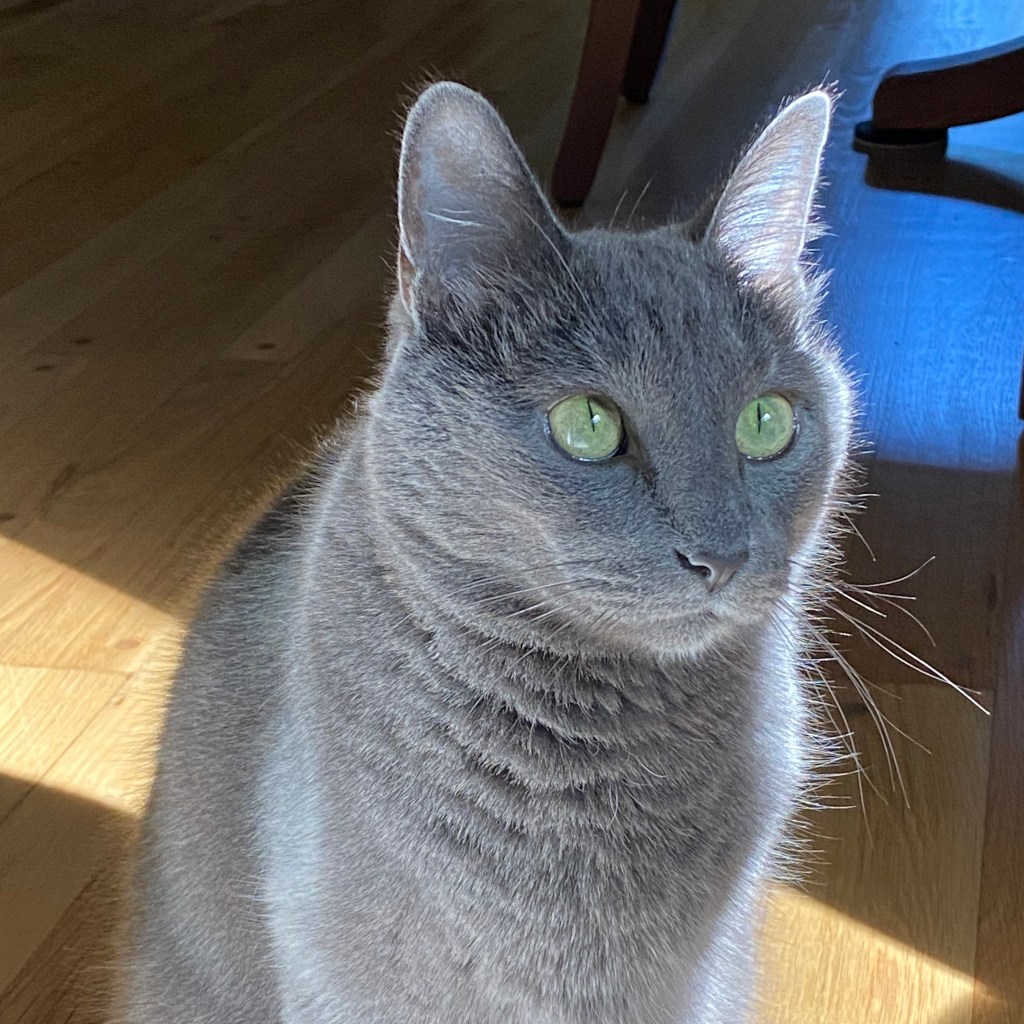
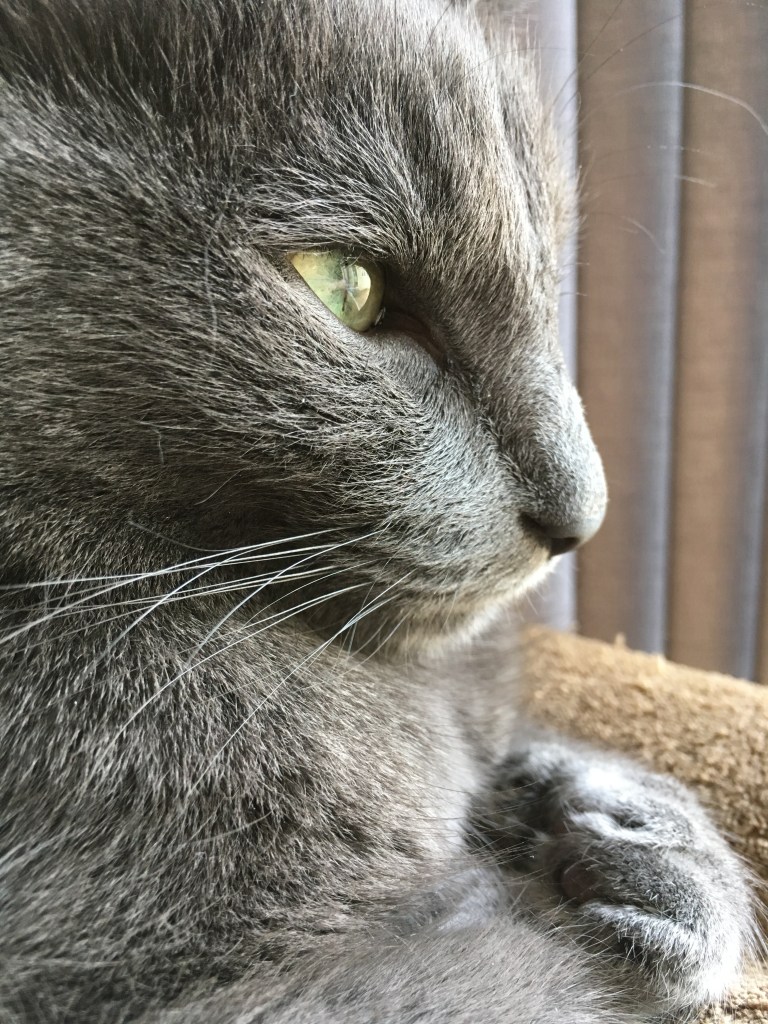
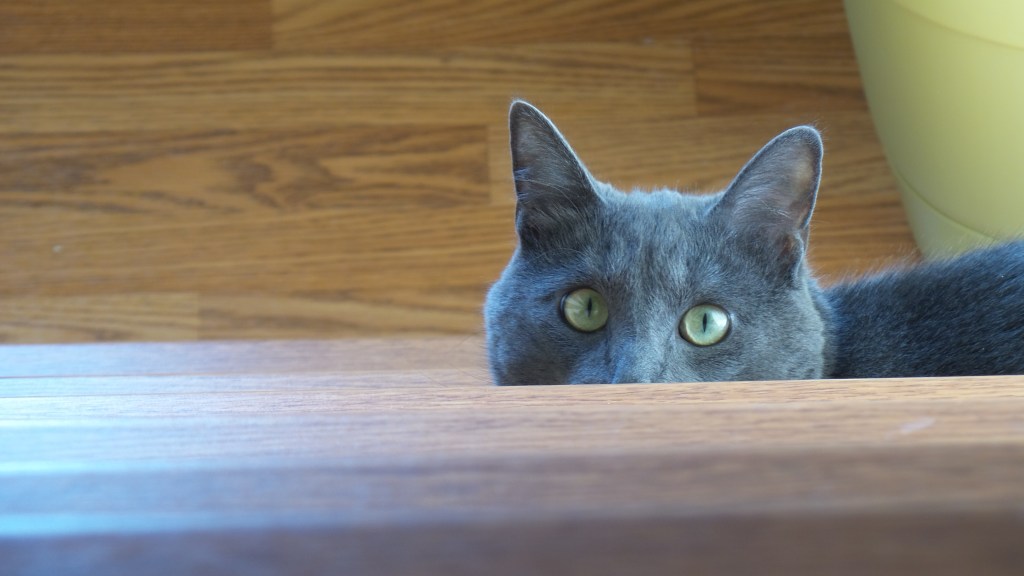
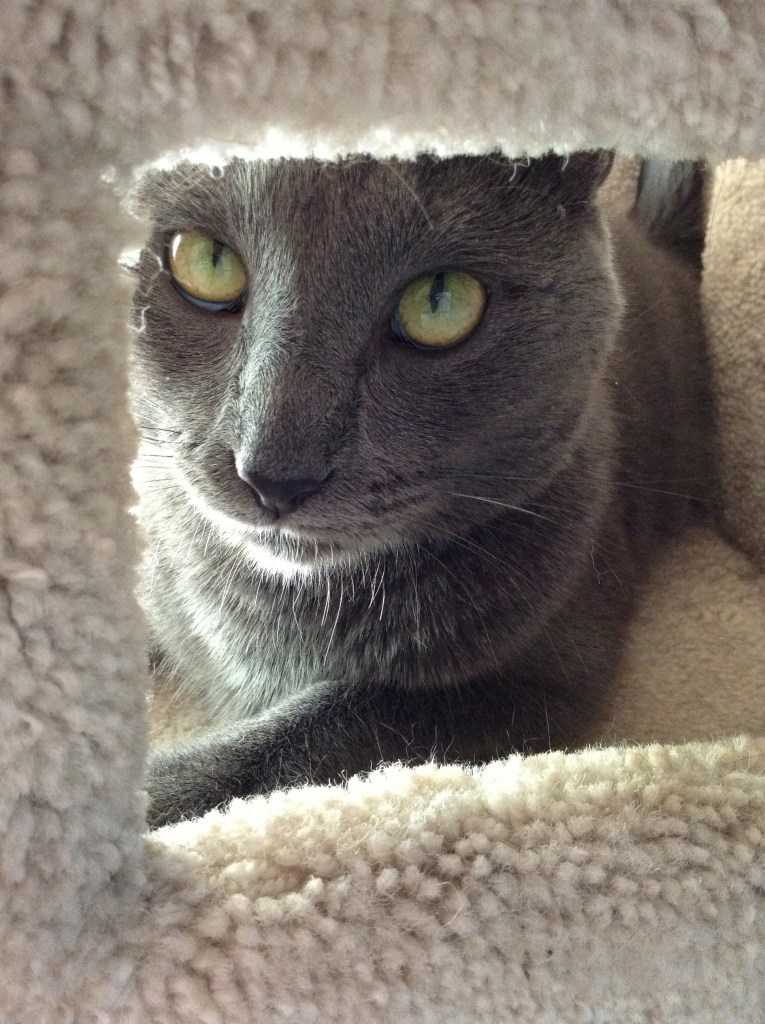
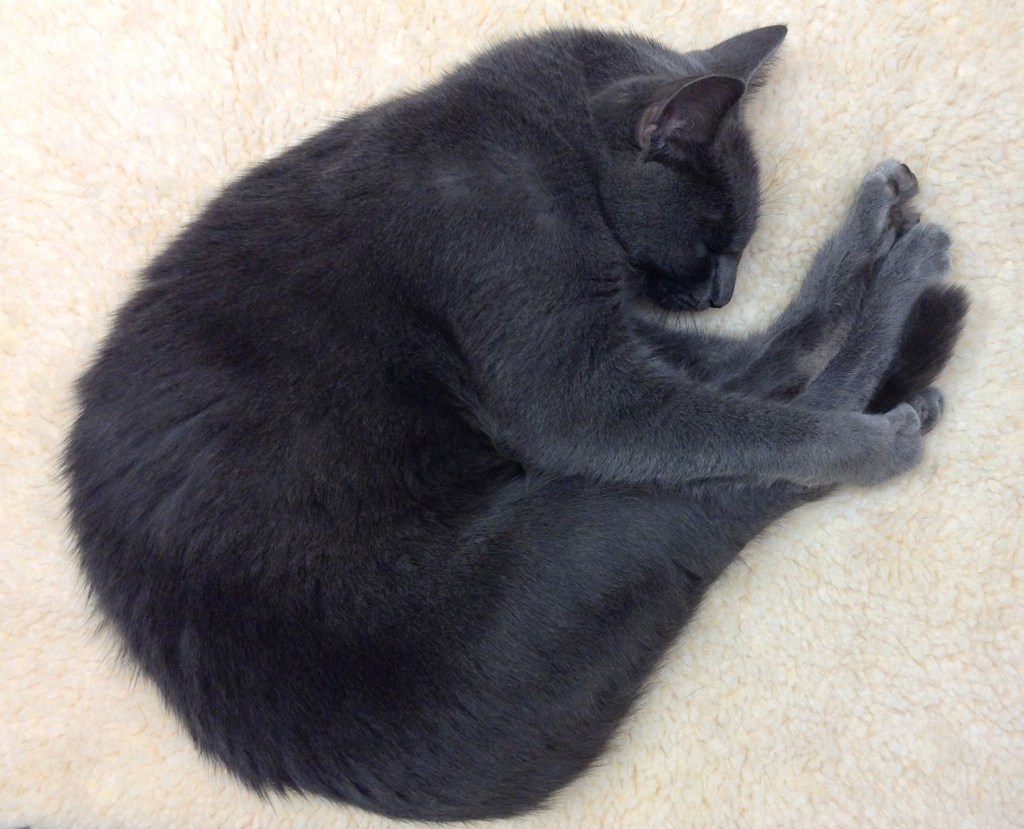
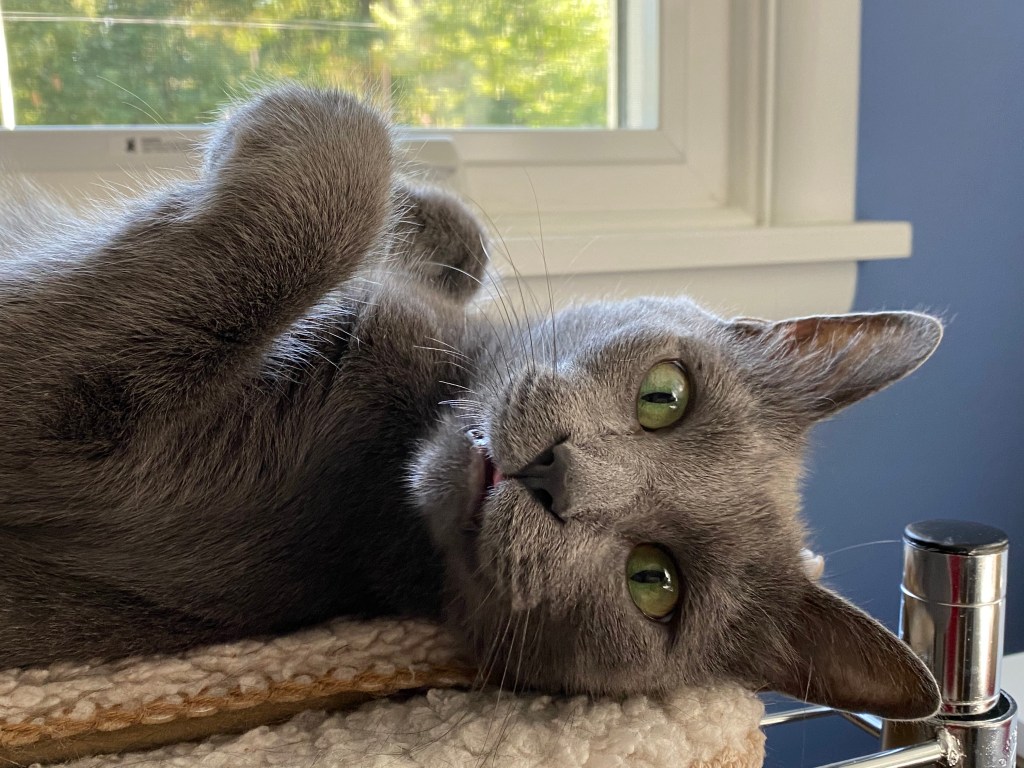
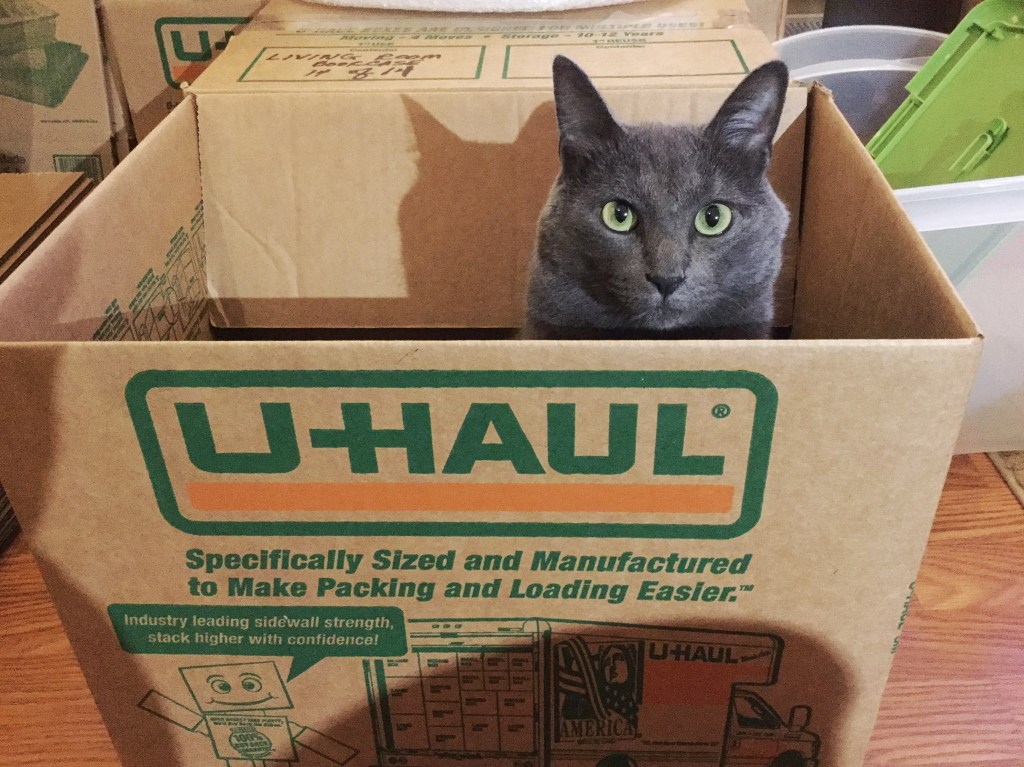
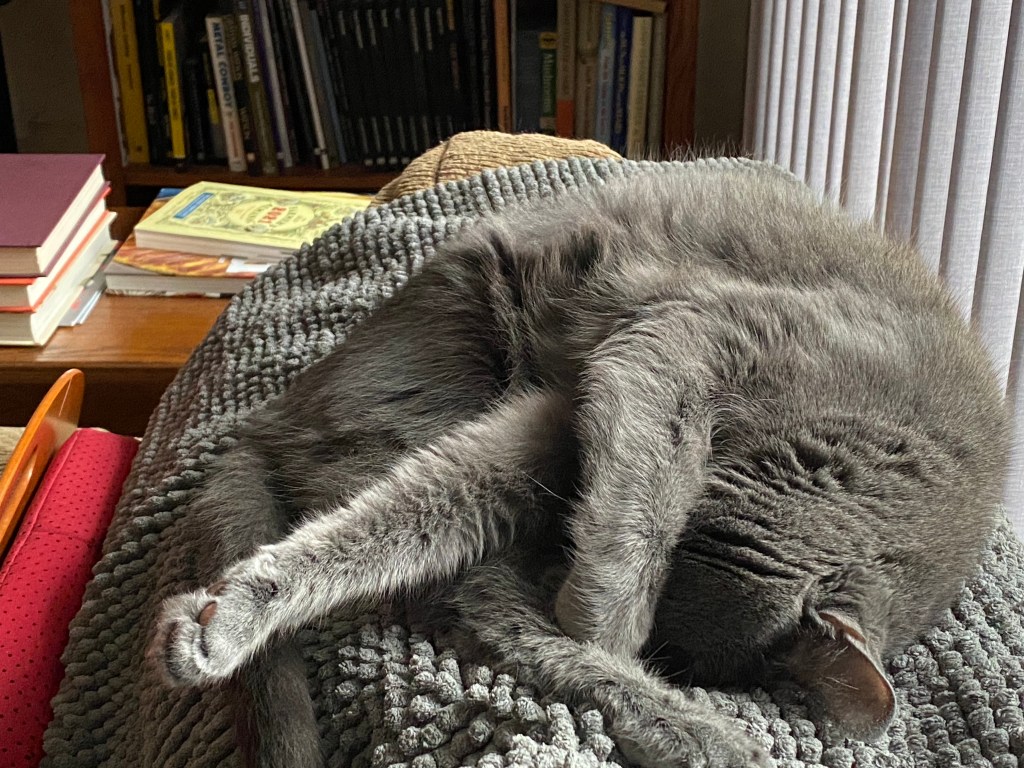
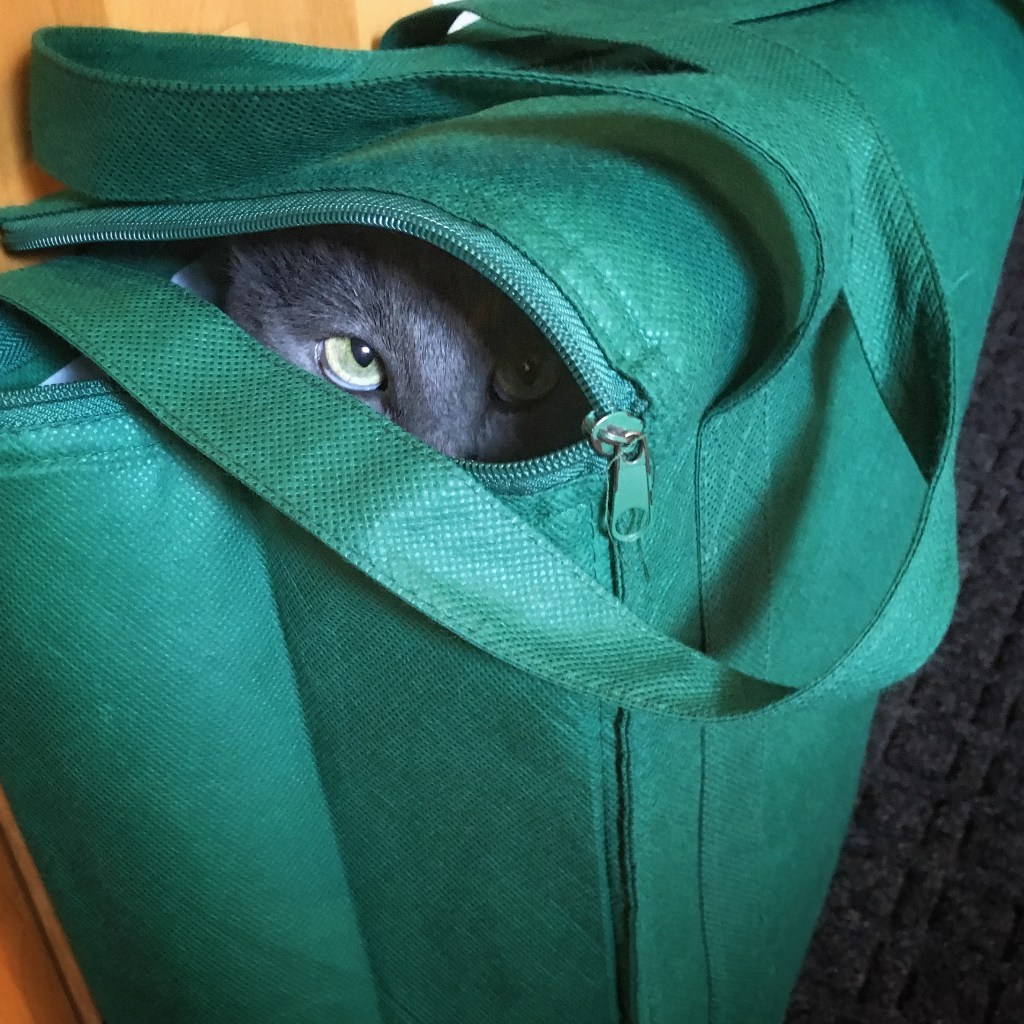
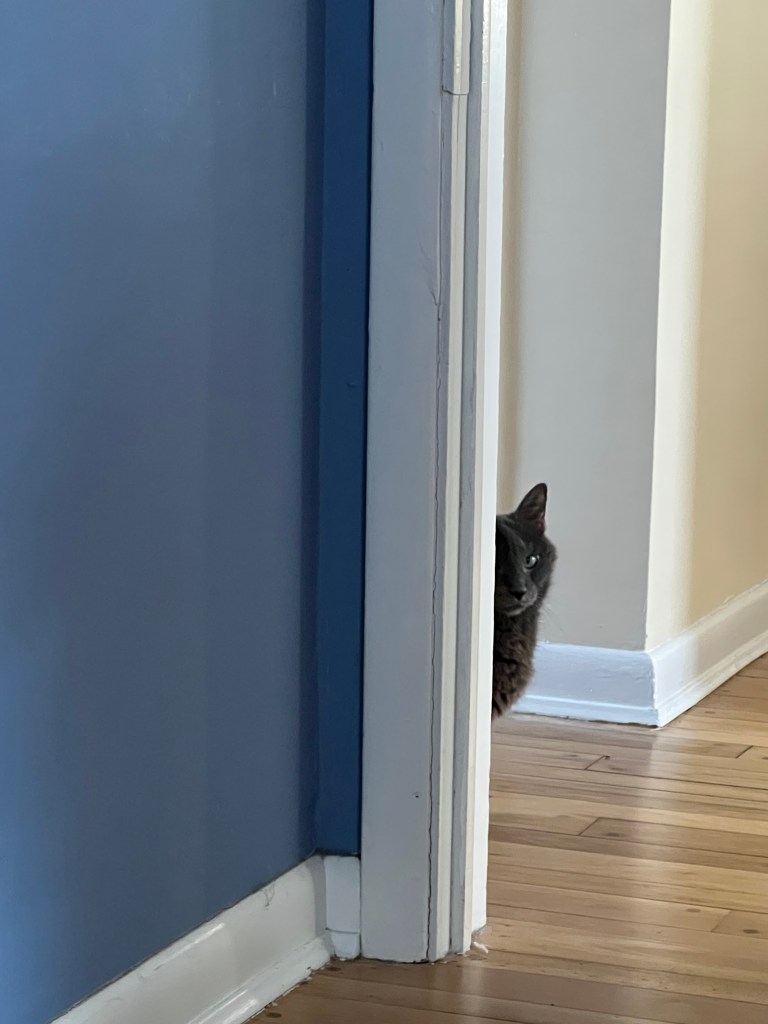
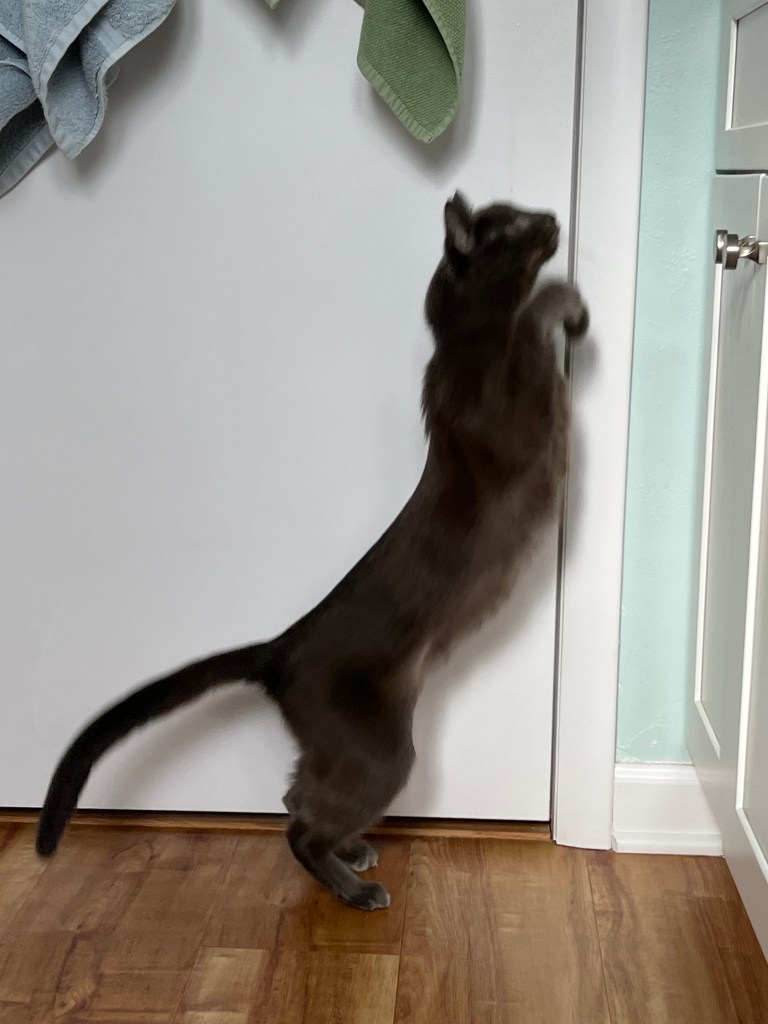
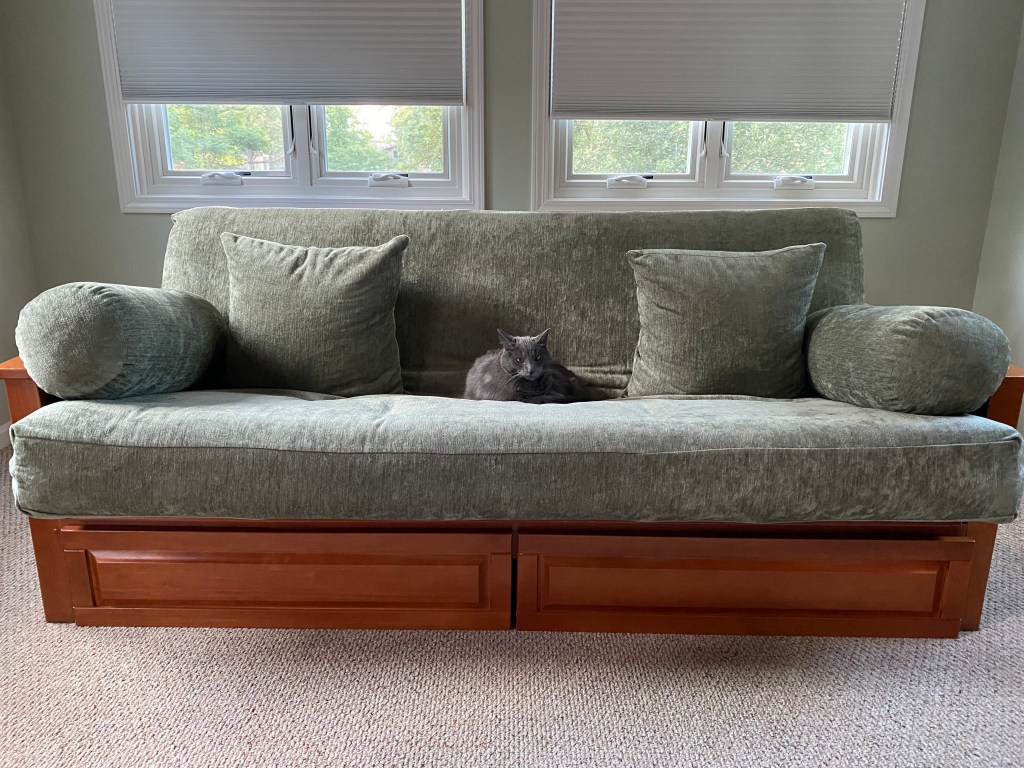
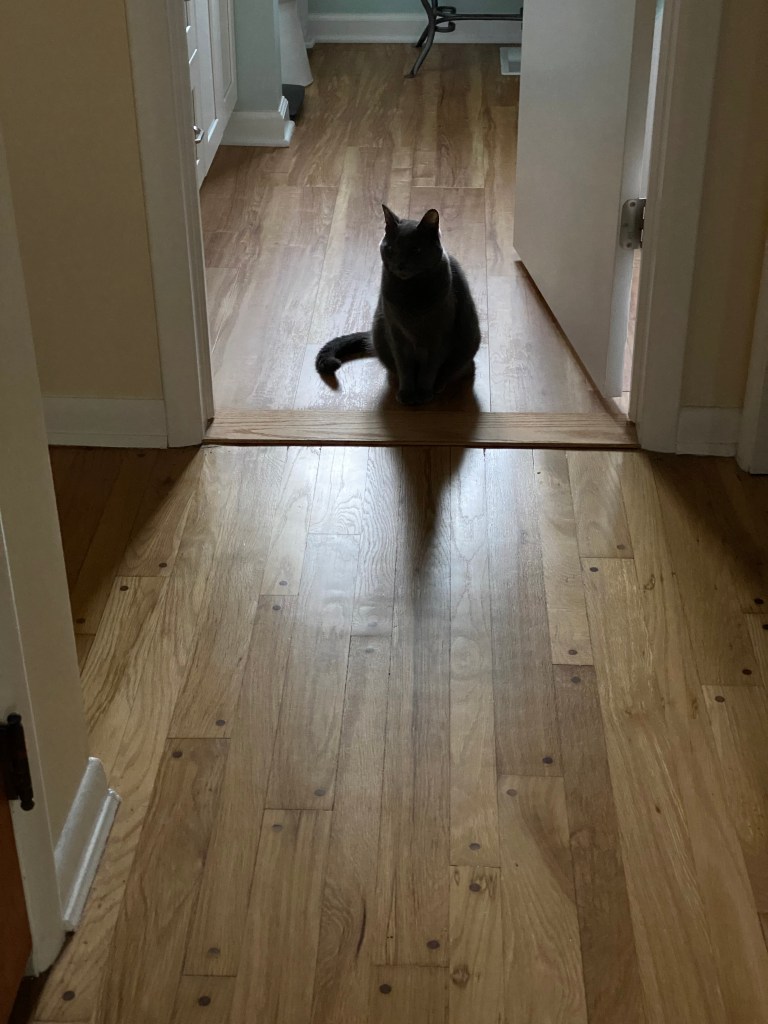
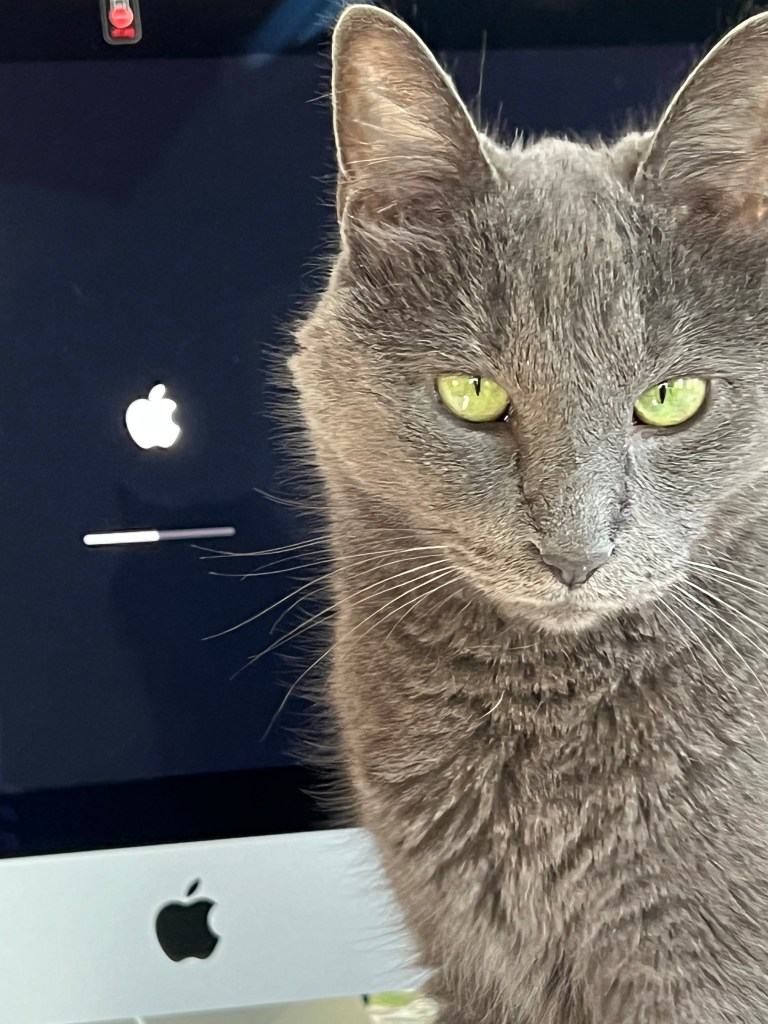
On August 26, 2013 we found Annie, or rather, she found us, as we took a walk in a public park. She emerged from the woods and came over to greet us as if we were long lost friends. She was gaunt, but in otherwise very good health. We left her in the park that first evening — she seemed to want it that way — but returned the next day with a pet carrier. Once again she appeared but this time we placed her in the carrier and took her away. Checking with local shelters and the animal warden for reports of lost cats, we sought to leave her with an agency for adoption. The shelters were full and, in the mean time, we fell in love. She joined our household. Through a house move, happy times and sad, Annie was with us. In the end, she developed small cell lymphoma and, while medicine helped comfortably extend her life, the disease finally reached her kidneys and, on June 3, 2025, we felt we had to say goodbye. Months later I still think about her daily and miss her warm, quiet presence. Thanks to camera phones we have many more photos of this feline companion than of all others that shared our lives before her. Here is a random selection of some pictures of dear Annie:
Our neighborhood star: The Sun. Photographed in hydrogen-alpha light, this image shows the roiling chromosphere of our star with a large filament parallel with the left-hand edge of the picture, sunspots strung vertically across the center, and a good number of prominences along the rim, glowing against the dark background of space. Image has been rotated; east is up, north is right. Imaged 2024-10-26. 18:43 UTC. Credit: James Guilford
For some time now, as weather permits, I do a little daytime astronomy as in viewing and photographing our neighborhood star: The Sun. Of course I practice vision safety; observations and imaging employ a range of filters and equipment that protect both eyes and cameras from blinding, concentrated sunlight. Equipment ranges from simple white light solar filters, to a Herschel wedge prism-type device, and a more recent addition, a dedicated hydrogen-alpha (Ha) telescope.
White light allows viewing Sun as if we could stare directly at it without the resulting blindness. The Herschel wedge does much the same thing but with, perhaps, a bit more contrast and detail. Both of those white light views allow us to see a layer of the solar atmosphere called the photosphere. In the photosphere the most apparent details are sunspots, standing black against a white background. With enough resolution we can also see granulation — enormous convective bubbles of searing solar plasma.
One layer above the photosphere — yes, above — is the chromosphere. Shining in the wavelength of hydrogen-alpha, the chromosphere is not visible to us without light filters that exclude all light but Ha. A wholly different view of our Sun is available in that wavelength. Swirling seas of plasma form curves and hash as they are moved by magnetic fields, long filaments float over those seas, as fountains of glowing gas arc from the solar disk contrasted against the blackness of space. On closer examination, the solar limb appears rough, a bit like a fine-toothed saw blade, as innumerable spicules, jets of glowing gas, are seen in contrast. Yes, sunspots are visible but are no longer the primary interest.
After many tries and failures at processing images to best show the chromosphere complete with prominences, I finally learned what some other imagers were using to process their images: Solar Toolbox — a package of programming scripts used with the PixInsight imaging application. I still have much to learn about Toolbox but it has already been enormously helpful to me in the challenging world of solar imaging! Thus, the image above is from very good data recorded about seven months ago, now reprocessed using Toolbox.
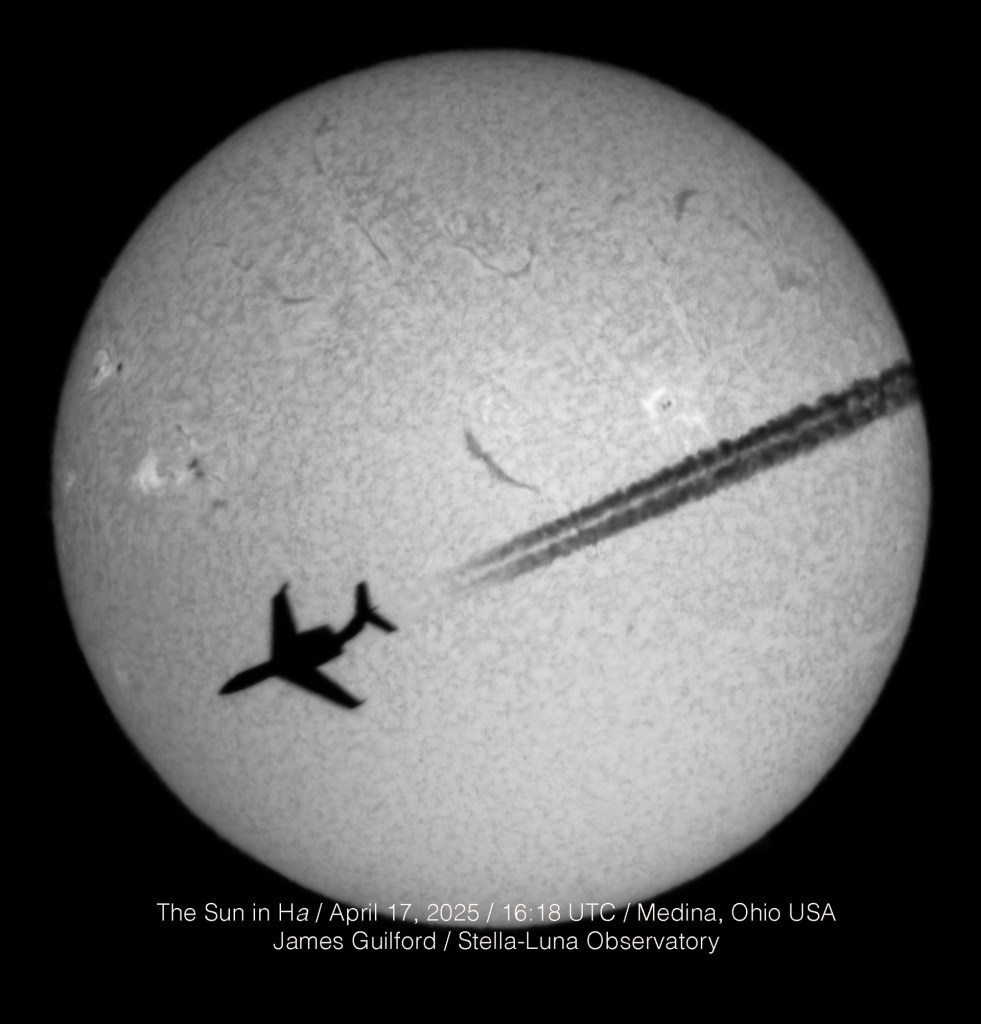
I had just finished setting up for some solar astronomy and tapped the button to begin a video sequence when something flashed across the computer screen. A jet appeared for less than a second, contrails briefly persisting, silhouetted against the roiling solar disk! I’ve only seen this twice while observing Sun, this being the second time, and I only captured this image by shear luck. The first time I witnessed a solar “photo-bombing” was under similar circumstances. Previously, I had completed setup, was refining focus, and just about to begin recording exposures. I missed imaging that encounter by about the same interval as I succeeded this time!
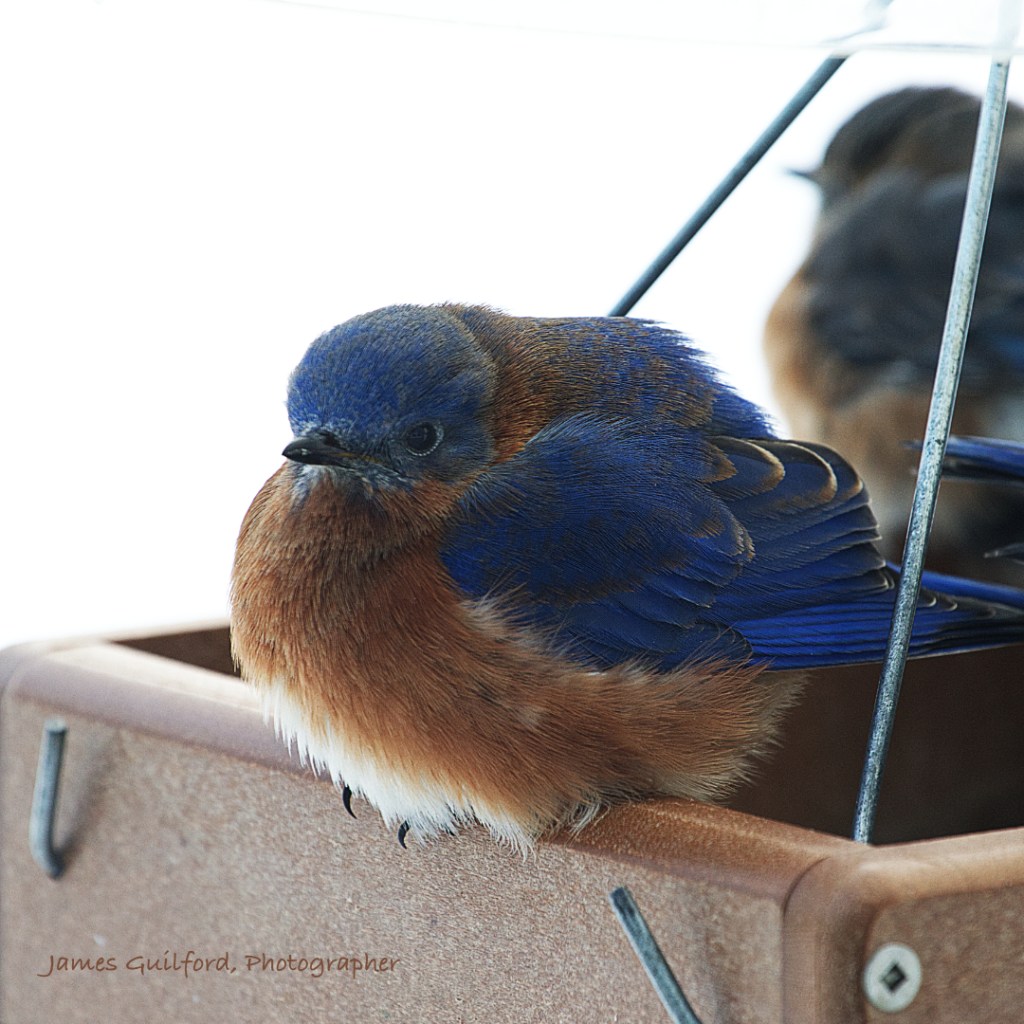
A group of Eastern Bluebirds perch along the edges of a box-shaped platform feeder enjoying the spread. Accumulated snow sits atop the plastic rain dome from which the feeder hangs. Photo by James Guilford.
Winter has been very cold, lately, with enduring snow cover. In these conditions we enjoy helping out the local birds. In the last couple of years we’ve seen a growing year ’round presence of Eastern Bluebirds both at our feeders and around the property. Today four to five of the little beauties showed up at the tray feeder — by coloration, all boys — enjoying the spread. As they busily picked away at the seeds the view was often blue bird butts. Sill in all, a welcome break from February’s shades of gray.